
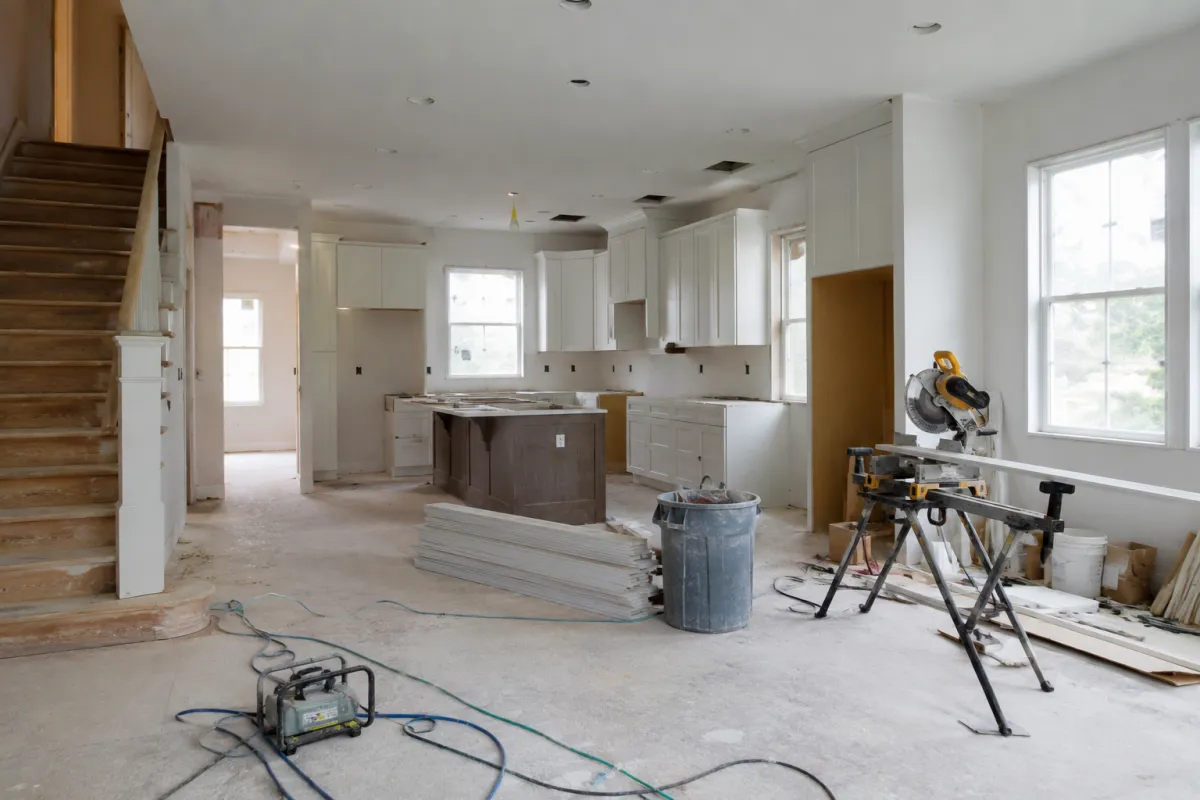
Renovating a 2–4 Unit Multifamily Property in Chicago: The Complete Guide to Building Equity, Increasing Property Value, and Avoiding Costly Mistakes
Whether you’re purchasing your first two-flat, renovating a three-flat to increase rental income, preparing a four-unit property for resale, or planning your next investment project, one thing is true:
Not every renovation increases a property’s value.
Some improvements can significantly increase your property’s appeal, rental income, and long-term equity. Others can consume thousands of dollars while adding very little value.
The difference isn’t how much money you spend, it’s where you spend it.
That’s why successful multifamily investors don’t renovate based on trends. They renovate with a strategy.
As a Chicago REALTOR®, investor, developer, and licensed general contractor, I’ve learned that the most successful projects begin long before demolition starts. They begin with understanding the property, the neighborhood, the numbers, and your long-term goals.
Whether you’re buying, renovating, holding, or preparing to sell, this guide will help you make informed decisions that can save you money, reduce unnecessary delays, and position your property for long-term success.
If you’re renovating a multifamily property anywhere on Chicago’s South Side or West Side, this guide is designed specifically for you.
Table of Contents
Why Every Renovation Should Start With a Strategy
Is the Property Worth Renovating?
Start With a Plan, Not a Demo
Understanding Chicago’s Renovation Process
Renovations That Typically Increase Property Value
Renovations That Don’t Always Provide the Best Return
Building Equity Through Strategic Improvements
Continue Reading (Part 2)
Why Every Renovation Should Start With a Strategy
One of the biggest mistakes I see owners make is assuming every renovation automatically adds value. It doesn't. The goal isn’t simply to create the nicest property on the block.
Every renovation should begin by asking one question:
“What am I trying to accomplish?”
Your answer will shape every decision that follows. You might be renovating to:
Increase rental income.
Build equity.
Prepare the property for resale.
Improve cash flow.
Create a better living space for yourself.
Modernize an aging building.
Reduce long-term maintenance.
Increase buyer appeal.
Preserve a family-owned property for future generations.
Each objective requires a different renovation strategy. A seller preparing to list may focus on cosmetic improvements that enhance first impressions, an investor planning to hold the property long term may prioritize mechanical systems, energy efficiency, and durability, someone purchasing a property to house hack may balance personal preferences with improvements that increase rental appeal.
The best renovation plans are intentional not emotional.
Is the Property Worth Renovating?
Not every property should be renovated. Before purchasing or before beginning a major renovation evaluate the property as a complete investment.
Ask yourself:
What is the current market value?
What will renovations realistically cost?
What will the property likely be worth after improvements?
How long will construction take?
What financing options are available?
How much should I set aside for unexpected expenses?
Does the neighborhood support my renovation plans?
Many multifamily properties throughout Chicago’s South Side and West Side offer excellent opportunities to build equity through thoughtful improvements.
Communities such as Woodlawn, Bronzeville, Washington Park, Austin, North Lawndale, and East Garfield Park continue attracting buyers and investors because they offer a variety of renovation opportunities across different price points and investment strategies. However, every neighborhood and every block is different.
Before finalizing your renovation budget, compare your plans with recently sold properties of similar size, condition, and location. One of the most common mistakes investors make is over-improving a property beyond what buyers in that neighborhood are willing to pay for. A renovation should improve value not simply increase costs.
Buyer Tip
Don’t let outdated paint or old flooring discourage you from considering an otherwise solid property. Cosmetic updates are often much easier and less expensive than structural repairs, foundation issues, or major mechanical replacements.
Start With a Plan, Not a Demo
It’s exciting to begin demolition. It’s much less exciting to stop construction halfway through because the budget has run out or materials haven’t been ordered. Before the first wall comes down, develop a clear renovation plan.
Your plan should include:
Scope of Work: Create a written list of every improvement you intend to complete. Include: kitchens, bathrooms, flooring, windows, roofing, plumbing, electrical. HVAC, painting, drywall, masonry, exterior improvements, landscaping, and common areas. A detailed scope of work keeps everyone aligned and reduces misunderstandings.
Budget: Separate your budget into categories. For example: labor, materials, permits, professional services, appliances, and contingency fund. Always include a contingency for unexpected expenses. Even well-planned projects can uncover hidden issues once walls or floors are opened.
Timeline: Renovations almost always take longer than expected. Weather, inspections, permit approvals, material availability, and contractor scheduling can all affect your timeline. Planning ahead helps reduce unnecessary delays.
Seller Strategy: If you’re renovating before selling, avoid making improvements simply because they’re trendy. Focus instead on repairs and updates that improve buyer confidence, functionality, and overall presentation.
Understanding Chicago’s Renovation Process
Renovating multifamily properties in Chicago requires more than hiring a contractor and ordering materials.
Depending on your project, you may need:
Architectural plans
Building permits
Trade permits
City inspections
Licensed professionals
Engineering reports
Zoning review
Understanding these requirements before construction begins can help avoid costly delays. If your renovation involves structural changes, electrical work, plumbing, HVAC systems, or changes to the building layout, permit requirements may apply.Working with experienced professionals and following the proper process helps protect both your investment and future resale value.
Renovations That Typically Increase Property Value
While every property is different, several improvements consistently improve buyer appeal when completed properly.
Kitchens: Updated kitchens continue to be one of the first spaces buyers notice. Improvements may include:
New cabinetry, updated countertops, modern lighting, durable flooring, functional layouts and new fixtures. Luxury finishes aren’t necessary; clean, timeless designs appeal to a broader range of buyers today.
Bathrooms: Simple updates such as:
New cabinets, updated countertops, modern lighting, durable flooring, functional layouts and new fixtures. Luxury finishes aren’t necessary; simple, timeless designs appeal to a broader range of buyers today.
Mechanical Systems: Buyers appreciate knowing expensive components have already been updated. Examples include:
New cabinets, updated countertops, modern lighting, durable flooring, functional layouts and new fixtures help sell homes. Luxury finishes aren’t needed; simple timeless designs attract wider range of buyers
Exterior Improvements: Don’t overlook curb appeal. First impressions begin before buyers ever enter the building. Simple improvements include:
New cabinets, updated countertops, modern lighting, durable flooring, functional layouts and new fixtures help sell homes. Luxury finishes aren’t needed; simple, timeless designs attract wider range of buyers
Separate Utilities: Where feasible, separate utilities can increase flexibility for future owners and simplify property management. Many buyers appreciate individually metered units because they can provide greater control over utility expenses.
Renovations That Don’t Always Provide the Best Return
One of the most expensive mistakes owners make is assuming that higher-end finishes always produce higher offers. That’s not necessarily true. Examples include:
Luxury appliances far above neighborhood expectations.
Highly customized finishes.
Premium imported materials where comparable properties use standard finishes.
Overly elaborate landscaping.
Features that appeal to a very small group of buyers.
Every dollar should have a purpose. Before investing in high-end finishes, evaluate whether buyers in that neighborhood are likely to recognize and pay for that additional value.
Building Equity Through Strategic Improvements
Building equity isn’t about completing the largest renovation. It’s about making improvements that strengthen the property’s long-term value. Strategic improvements may include:
Improving building functionality.
Addressing deferred maintenance.
Modernizing outdated spaces.
Increasing rental appeal.
Enhancing curb appeal.
Improving energy efficiency.
Creating safer, more comfortable living spaces.
Whether your goal is to refinance, hold the property, generate rental income, or prepare for resale, thoughtful improvements often outperform unnecessary upgrades. The strongest renovations solve problems, improve functionality, and increase buyer confidence not just create visual appeal.
Choosing the Right Contractor Can Make or Break Your Project
Choosing the Right Contractor Can Make or Break Your Project One of the most important decisions you’ll make during a renovation has nothing to do with tile, cabinets, or paint colors. It’s choosing the right contractor. A lower bid doesn’t always mean a better value, and the highest bid doesn’t automatically mean the best quality. The goal is to hire someone who communicates well, understands multifamily renovations, follows the agreed-upon scope of work, and completes the project professionally.
Before hiring a contractor, ask questions such as:
Have you completed similar 2–4 unit renovations?
Are you properly licensed and insured for this type of work?
Can you provide recent references?
Who will supervise the project each day?
What work will be subcontracted?
What is the expected timeline?
How are change orders handled?
What warranty do you provide on your work?
Always have a written contract that clearly outlines:
The scope of work
Payment schedule
Timeline
Materials
Responsibilities
Warranty
Procedures for changes
Good communication is just as important as craftsmanship. Investor Insight One of the most expensive renovation mistakes isn’t hiring the wrong contractor, it’s hiring the right contractor without a detailed scope of work.
Clear expectations help protect everyone involved and reduce costly misunderstandings.
Budget for the Renovation You Don’t Expect
Even well-maintained properties can reveal surprises once work begins.
Behind walls, beneath flooring, or inside mechanical systems, you may uncover issues that weren’t visible during your initial walkthrough.
Examples include:
Water damage
Outdated electrical wiring
Plumbing leaks
Structural deterioration
Foundation concerns
Mold
Improper previous renovations
Code violations
For that reason, many experienced investors include a contingency reserve in their renovation budget. A contingency isn’t money you plan to spend, it’s money you hope you don’t need. Planning ahead allows you to respond to unexpected issues without bringing the project to a halt.
Understanding Chicago Permits and Inspections
Many renovations require permits and inspections. Depending on the scope of work, permits may be required for:
Structural changes
Electrical work
Plumbing work
HVAC installations
New windows or exterior doors (depending on the scope)
Building additions
Major interior reconfigurations
Permit requirements vary depending on the project. Starting work without obtaining required permits can create delays, additional costs, and challenges when refinancing or selling the property later.
Understanding the permitting process before construction begins helps keep your project moving in the right direction.
Renovating Before Selling vs. Renovating to Hold
The right renovation strategy depends on your long-term goal. If You’re Preparing to Sell Focus on improvements that increase buyer confidence and improve the property’s presentation. Examples include:
Fresh paint
Flooring repairs
Updated lighting
Minor kitchen and bathroom improvements
Landscaping
Exterior maintenance
Deferred maintenance
Professional cleaning
The goal isn’t to create the most expensive property on the block. The goal is to remove buyer objections and maximize marketability.
If You’re Renovating as a Long-Term Investment
Your priorities may be different. Instead of focusing primarily on cosmetic improvements, consider investing in:
Roof replacement
Plumbing upgrades
Electrical improvements
HVAC systems
Energy efficiency
Durable materials
Long-term maintenance reduction
These improvements may provide benefits for years through lower maintenance costs, improved tenant satisfaction, and stronger long-term performance.
Seller Strategy: Not every repair needs to be completed before listing your property. Sometimes it’s more beneficial to complete high-impact improvements and price the property appropriately rather than investing heavily in renovations that may not produce a meaningful return. Every property deserves its own strategy.
Common Renovation Mistakes: That Cost Owners Thousands Most costly mistakes are preventable. Some of the most common include: Renovating Without a Plan Changing layouts, finishes, or materials repeatedly during construction often leads to delays and increased costs.
Ignoring the Neighborhood: Every renovation should reflect the expectations of the surrounding market. Installing luxury finishes far beyond neighborhood expectations doesn’t always increase value.
Underestimating the Budget: Unexpected expenses happen. Plan for them.
Focusing Only on Cosmetics: Fresh paint won’t solve foundation issues, outdated plumbing, roof problems, or electrical concerns. Addressing major building systems first often creates more long-term value.
Skipping Permits: Trying to save money by avoiding permits can create much larger problems later.
Hiring Based Only on Price: Choosing the lowest bid without evaluating experience, communication, references, and workmanship often becomes more expensive over time.
Renovating on Chicago’s South Side and West Side
Every neighborhood tells a different story. That’s why renovation decisions should never be based solely on trends, they should reflect the expectations of the local market. Throughout Chicago’s South Side, neighborhoods such as Woodlawn, Bronzeville, and Washington Park continue to experience investment and redevelopment.
Buyers in these communities often appreciate a balance of modern updates while preserving the architectural character that makes many of these buildings unique. Across Chicago’s West Side, communities including Austin, North Lawndale, and East Garfield Park continue to present opportunities for buyers and investors seeking value-add properties.
Renovations in these areas should focus on quality workmanship, functionality, and improvements that align with neighborhood expectations and long-term investment goals. Regardless of the neighborhood, the best renovation is one that supports the property’s value while meeting the needs of today’s buyers or tenants.
Buyer Tip: Before finalizing your renovation plans, compare recently renovated properties in the surrounding area. This can help you identify which improvements buyers are already paying for and where additional spending may not provide a strong return.
Your Chicago Multifamily Renovation Planning Checklist
Before beginning your project, work through the following checklist: Planning
Clearly define your renovation goals
Develop a detailed scope of work
Establish a realistic budget
Include a contingency reserve
Create a project timeline.
Property Evaluation
Evaluate the roof
Inspect the foundation
Review plumbing
Review electrical systems
Inspect HVAC equipment
Evaluate windows and exterior doors
Review masonry and tuckpointing
Identify deferred maintenance
Professional Team
REALTOR®
Contractor
Architect (when needed)
Attorney
Lender
Inspector
Documentation
Contractor agreement
Insurance verification
Permit requirements
Material selections
Change order procedures
Warranty information.
Frequently Asked Questions
How much should I budget for unexpected renovation costs?
Every project is different, but it’s wise to include a contingency reserve because unforeseen issues can arise once work begins. The appropriate amount depends on the property’s age, condition, and the scope of your renovation.
Should I renovate before selling?
Not always. Some improvements can increase buyer interest and value, while others may not provide a meaningful return. The best approach depends on your goals, timeline, budget, and the property’s condition.
What renovations typically add the most value?
While every property is different, improvements to kitchens, bathrooms, major mechanical systems, curb appeal, and deferred maintenance often provide strong returns because they improve functionality, buyer confidence, and overall presentation.
Is every permit required?
Permit requirements depend on the scope of work. Before beginning construction, verify applicable requirements with the City of Chicago and your design or construction professionals.
Do I need a REALTOR® before I renovate? Many owners find it helpful to consult a REALTOR® before beginning major renovations. Understanding current buyer preferences, neighborhood trends, comparable sales, and likely return on investment can help prioritize improvements that align with your goals.
Key Takeaways
Every renovation should begin with a clear strategy
Not every improvement produces a strong return
Building equity comes from making thoughtful, value-driven decisions, not simply spending more money.
Budget for unexpected expenses and maintain a contingency reserve
Work with experienced professionals who understand multifamily properties
Renovation decisions should reflect the expectations of the surrounding neighborhood
Whether you’re buying, holding, or selling, focusing on quality workmanship and long-term value can help you maximize your investment.
Final Thoughts
Renovating a multifamily property is about much more than improving how a building looks. It’s about creating value, solving problems, and making decisions that support your long-term financial goals.
Whether you’re transforming a fixer-upper into your first house hack, modernizing a long-term rental, preparing a property for sale, or expanding your investment portfolio, a successful renovation starts with careful planning, not impulse.
Having renovated and evaluated multifamily properties throughout Chicago, I’ve seen firsthand that the projects with the strongest outcomes aren’t always the ones with the biggest budgets. They’re the ones with the clearest strategy.
By understanding your goals, creating a realistic plan, assembling the right team, and focusing on improvements that truly matter, you can position your property to build equity, attract quality buyers or tenants, and create lasting value.
Ready to Renovate with Confidence?
Whether you’re purchasing your first multifamily property, preparing to renovate before selling, or planning your next investment project, making informed decisions from the beginning can save you time, money, and unnecessary frustration.
As a Chicago REALTOR®, investor, developer, and licensed general contractor, I help clients evaluate properties, identify renovation opportunities, understand neighborhood trends, and develop strategies that align with their financial goals.
I proudly serve buyers, sellers, investors, and developers throughout Chicago’s South Side and West Side, including Woodlawn, Bronzeville, Washington Park, Austin, North Lawndale, and East Garfield Park, with a focus on helping clients build long-term wealth through 2–4 unit multifamily real estate.
If you’re thinking about buying, renovating, or selling a multifamily property, let’s create a plan that helps you move forward with confidence. Schedule your consultation today and let’s discuss how to maximize your property’s potential.



Facebook
Instagram
LinkedIn
Youtube
TikTok