
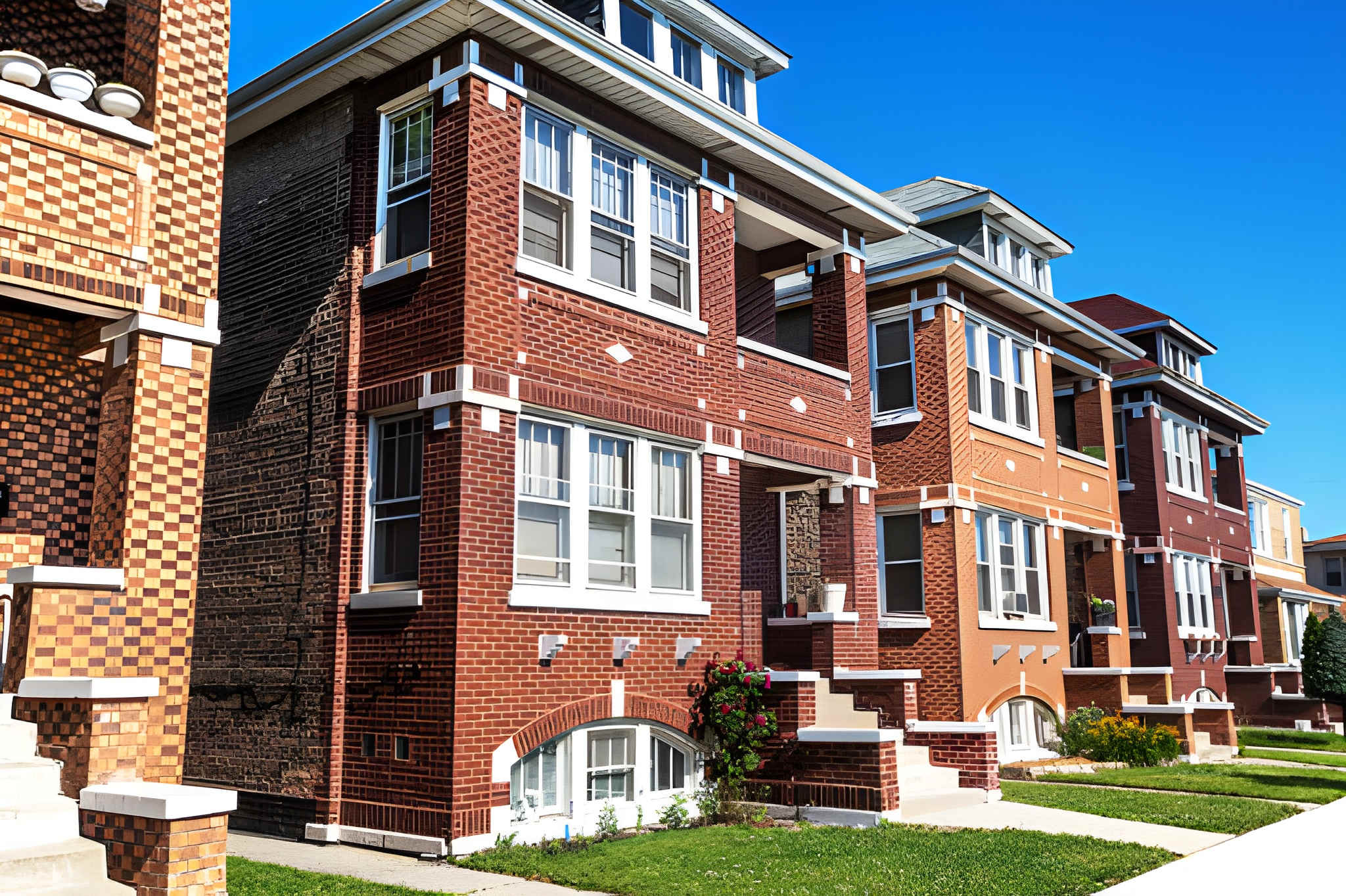
Selling a 2–4 Unit Building in Chicago: The Complete Owner’s Guide to Maximizing Your Sale Price (2026)
Selling a 2–4 unit multifamily property is very different from selling a single-family home. You’re not just selling a building, you’re selling an opportunity.
Depending on your property, that opportunity may appeal to a first-time house hacker looking to live in one unit while renting the others, an experienced investor expanding their portfolio, or a buyer searching for a value-add property with long-term appreciation potential.
Each buyer views your property differently, and understanding how they evaluate your building can have a significant impact on your final sale price.
If you own a two-flat, three-flat, or four-unit property anywhere on Chicago’s South Side or West Side, taking the time to prepare your property before it hits the market can help attract stronger buyers, generate more interest, and position your property for the best possible outcome.
As a Chicago REALTOR®, investor, developer, and licensed general contractor, I’ve seen firsthand how the right preparation, pricing strategy, and marketing plan can make the difference between a property that sits on the market and one that generates strong interest and competitive offers.
Whether your property is fully renovated, tenant occupied, vacant, or in need of updates, this guide will walk you through the steps that can help maximize your property’s value and prepare you for a successful sale.
Why Preparation Matters More Than Timing
Many property owners ask the same question: “Is now the right time to sell?”
While interest rates, buyer demand, inventory levels, and local market conditions certainly influence real estate activity, there isn’t a single answer that applies to every property.
In my experience, sellers often have more control over their success than they realize.
The properties that generate the strongest offers usually have several things in common:
They’re priced strategically.
They’re well prepared before listing.
Financial and property records are organized.
Buyers can easily understand the property’s value.
Marketing reaches both investors and owner-occupant buyers.
A well-prepared multifamily property can perform exceptionally well in a variety of market conditions.
Rather than trying to perfectly time the market, focus on positioning your property to stand out from the competition.
You’re Selling More Than a Building,You’re Selling an Opportunity
One of the biggest misconceptions sellers have is believing buyers only care about rental income.While rental income is certainly important, buyers purchasing Chicago’s 2–4 unit properties evaluate much more than numbers on a spreadsheet.
Depending on who’s walking through your property, they may be imagining very different possibilities.
An owner-occupant might be thinking:
Can I comfortably live here?
Is one unit available for me to move into?
Will the rental income help offset my mortgage?
Can I build long-term wealth while living in the property?
An investor may be asking:
Is the rental income sustainable?
What repairs should I budget for?
Are the utilities separately metered?
Is there an opportunity to increase value over time?
A developer may evaluate:
Renovation potential.
Building systems.
Deferred maintenance.
Future appreciation.
Long-term investment opportunities.
The most successful listings speak to all of these buyers. That’s why your marketing strategy should showcase not only the property’s current condition but also its future potential.
Understanding Today’s Multifamily Buyer
Today’s buyers are more informed than ever.Before scheduling a showing, many have already reviewed comparable sales, neighborhood data, property taxes, and financing options.
They are typically looking for:
Updated mechanical systems.
Legal 2–4 unit buildings.
Strong curb appeal.
Clean common areas.
Well-maintained properties.
Separate utilities whenever possible.
Parking.
Outdoor space.
Laundry options.
Updated kitchens and bathrooms.
Functional layouts.
Documentation that’s organized and complete.
Buyers also appreciate honesty. If your property needs work, that’s okay. Many buyers actively search for opportunities to build equity through thoughtful renovations. The key is presenting the property accurately, pricing it appropriately, and helping buyers understand its potential.
Preparing Your Building Before It Hits the Market
One of the best investments many sellers can make isn’t a major renovation. It’s preparation. First impressions matter.
Before professional photography or showings begin, walk through your property as if you were seeing it for the first time.
Pay attention to both individual units and the common areas.
Simple improvements can often have a meaningful impact, including:
Exterior:
Fresh landscaping
Trimmed bushes
Clean sidewalks
Power washing
Touch-up paint
Repairing exterior lighting
Cleaning gutters
Removing debris
Common Area:
Fresh paint
Clean stairwells
Bright lighting
Clean windows
Organized storage areas
Freshly painted railings
Functional smoke and carbon monoxide detectors
Individual Units:
Repair dripping faucets.
Patch nail holes.
Touch up paint.
Replace broken fixtures.
Repair damaged flooring.
Deep clean kitchens and bathrooms.
Replace burned-out light bulbs.
Ensure doors and windows operate properly.
These relatively small improvements often help buyers feel more confident about the property’s overall condition.
Should You Renovate Before Selling?
This is one of the most common questions I receive. The answer is: It depends on your goals, timeline, and budget. Not every renovation increases your home’s value.
In some cases, spending thousands of dollars before listing produces very little additional return. In other situations, targeted improvements can significantly increase buyer interest and strengthen your negotiating position.
Before investing money into renovations, consider:
Will this repair improve marketability?
Will buyers expect this work to be completed?
Will the improvement likely produce a return on investment?
Would the money be better spent elsewhere?
For example, repairing obvious deferred maintenance, improving curb appeal, and addressing safety concerns often make sense. On the other hand, undertaking a full luxury remodel immediately before listing may not always provide the return you’re expecting.
Every property is different.
That’s why having a strategy before beginning renovations is important. Sometimes selling the property as-is is the better financial decision. Other times, making selective improvements can substantially increase buyer interest and overall value. The key is understanding which repairs are likely to matter most to your target buyer.
Pricing Your Building Correctly
Pricing is one of the most important decisions you’ll make when selling your multifamily property. Many sellers naturally focus on achieving the highest possible price. However, pricing too high can actually reduce interest, increase time on the market, and ultimately lead to price reductions.
The strongest pricing strategy considers multiple factors, including:
Recent comparable sales.
Property condition.
Rental income.
Number of legal units.
Location.
Deferred maintenance.
Parking.
Buyer demand.
Available financing for likely buyers.
Unlike many single-family homes, multifamily properties attract a mix of investors and owner-occupants. That means pricing should account for both buyer pools whenever possible. The goal isn’t simply to list high, The goal is to create enough interest to attract qualified buyers who recognize the property’s value.
Understanding Tenants Before You List
If your property is tenant occupied, preparation becomes even more important. Communication with tenants can make a significant difference throughout the selling process.
Before listing, consider:
Reviewing all current leases.
Organizing security deposit records.
Preparing a current rent roll.
Gathering utility information.
Creating a showing schedule that respects tenants’ time.
Discussing expectations early to help minimize disruptions.
Keeping units clean, providing appropriate notice before showings as required by applicable law, and maintaining open communication can help create a better experience for everyone involved.
Buyers also appreciate organized documentation. Having leases, maintenance records, recent improvements, and utility information readily available helps build confidence and keeps the transaction moving forward.
Thinking about selling? Let’s start with a conversation. Schedule your confidential multifamily consultation today and discover what your property could be worth with the right preparation, pricing, and marketing strategy.



Facebook
Instagram
LinkedIn
Youtube
TikTok