
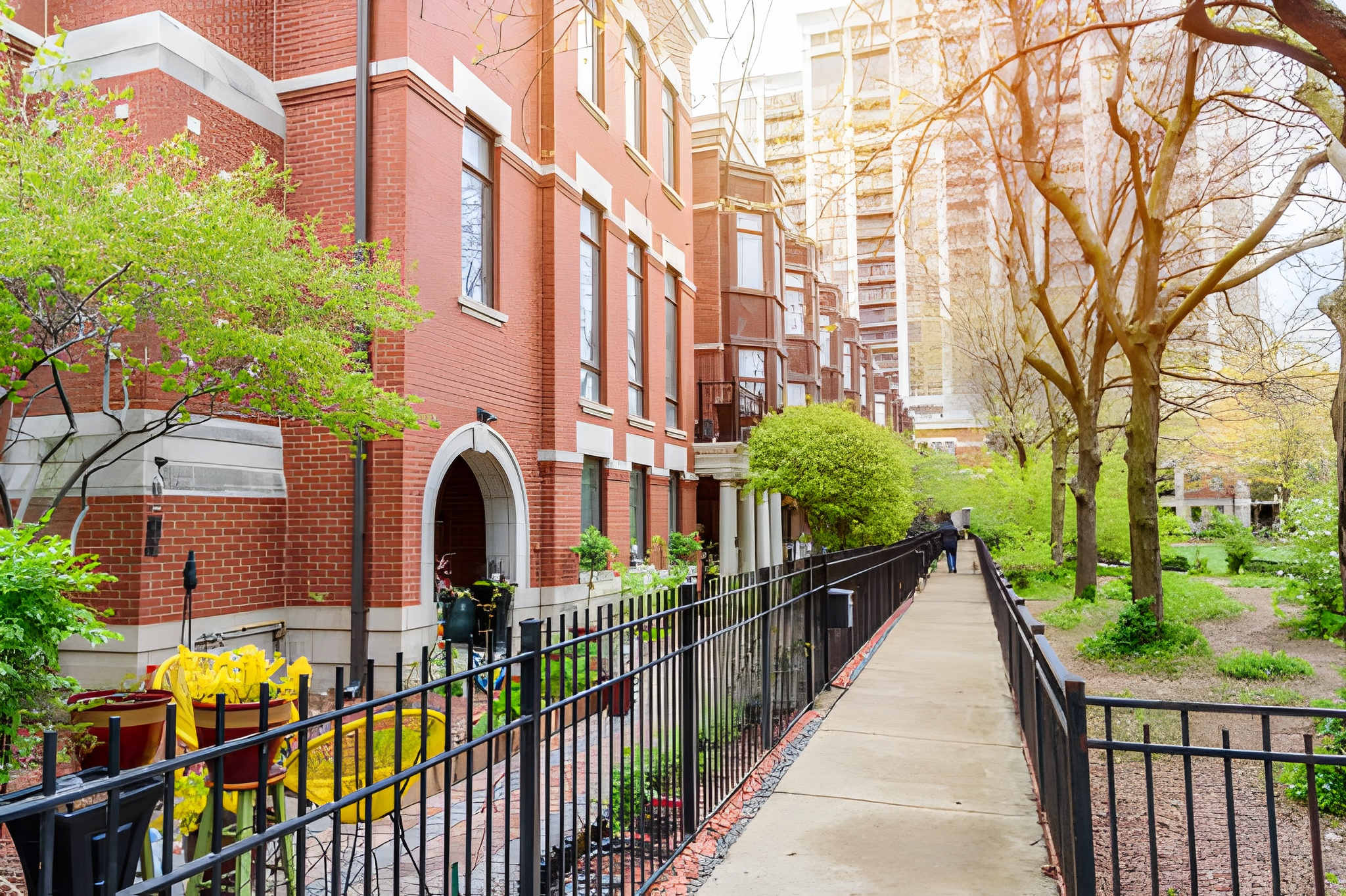
Selling a 2–4 Unit Building in Chicago: The Complete Owner’s Guide to Maximizing Your Sale Price (2026)
How Buyers Really Determine Your Property’s Value
One of the biggest misconceptions I hear from sellers is:“My neighbor’s building sold for $650,000, so mine should too.” While comparable sales are important, they’re only one part of the equation. Buyers evaluate your property as a complete investment—not just based on square footage or the number of units.
They’re looking at questions like:
Is the building well maintained?
Are the units updated?
What repairs will I need to make after closing?
Are the utilities separately metered?
Is there parking?
Are the leases organized?
Are the rents at market value or below market?
Is there an opportunity to increase value over time?
For owner-occupant buyers, emotions also play a role. They picture themselves living in one unit while generating rental income from the others. A clean, well-maintained property that feels move-in ready can be just as appealing as a building with strong financials.
Experienced investors may review rental income, operating expenses, and overall cash flow as part of their analysis. Metrics such as Net Operating Income (NOI) and capitalization (cap) rates can help compare investment properties, but for Chicago’s 2–4 unit residential market, these are just part of the overall picture—not the only factors that determine value.
The strongest sales happen when a property appeals to both investors and owner-occupants.
Vacant vs. Tenant-Occupied: Which Is Better?
There’s no one-size-fits-all answer. Each situation has advantages. Selling with Tenants in Place
A tenant-occupied property may appeal to buyers looking for immediate rental income. Strong leases, reliable payment history, and organized records can help demonstrate that the property has been professionally managed. This option often attracts experienced investors.
Selling With One Vacant Unit
Having one vacant unit can significantly expand your buyer pool. It allows owner-occupants, first-time multifamily buyers, and house hackers to envision themselves living in the property while renting the remaining units. Many financing programs available to owner-occupants can also make your property accessible to a broader range of buyers.
Selling a Fully Vacant Property
Depending on your goals, selling a vacant property may provide buyers with greater flexibility to renovate or occupy the building immediately. However, every situation is unique, before asking tenants to move, it’s important to evaluate the financial impact, legal requirements, vacancy costs, and overall marketing strategy.
The right approach depends on your property’s condition, tenant situation, and the buyers you’re trying to attract.
Common Mistakes That Can Cost Sellers Thousands
Preparing strategically before listing can help you avoid costly mistakes.
Some of the most common include:
Waiting Until the Last Minute: Many sellers don’t begin organizing leases, maintenance records, permits, or repair documentation until after receiving an offer.Preparing these items before listing creates a smoother transaction.
Overpricing the Property: Every seller wants top dollar. However, pricing significantly above market value often reduces showing activity and can result in multiple price reductions. Strategic pricing frequently generates stronger interest and may lead to better offers.
Ignoring Deferred Maintenance: Buyers notice deferred maintenance, so do inspectors. Issues such as roof repairs, damaged masonry, plumbing leaks, peeling paint, broken windows, damaged porches, or open code violations can become negotiating points if left unaddressed.Not every repair should be completed before listing, but every issue should be evaluated as part of your selling strategy.
Hiring an Agent Without Multifamily Experience: Selling a multifamily property requires different knowledge than selling a single-family home. An experienced multifamily REALTOR® understands: Investor buyers, owner-occupant buyers, rental income, property positioning, Chicago neighborhoods, tenant considerations, pricing strategies specific to 2–4 unit buildings. Choosing the right representation can have a meaningful impact on both your experience and your final sale price.
What Today’s Buyers Are Looking For
Today’s buyers are evaluating much more than updated finishes.
Many are looking for:
Updated plumbing and electrical systems.
Newer roof.
Well-maintained masonry and tuckpointing.
Separate utilities.
Individual HVAC systems when applicable.
Updated kitchens and bathrooms.
Functional floor plans.
Off-street parking.
Laundry facilities.
Storage space.
Outdoor living areas.
Legal unit configuration.
Permit history for major renovations.
Organized documentation.
Properties with long-term appreciation potential.
They also appreciate transparency. If the property requires updates, explain them honestly while helping buyers understand the opportunities the building offers.
Should You Consider Making Repairs Before Listing?
One of the biggest mistakes sellers make is assuming every dollar spent before listing automatically increases the property’s value. That’s rarely the case. Some improvements can significantly improve marketability while others may have little impact on your final sale price.
Before spending money, ask:
Will buyers expect this repair?
Will this improvement help the property stand out?
Will this repair reduce inspection concerns?
Is this improvement likely to produce a positive return?
Sometimes simple improvements such as fresh paint, cleaning, landscaping, lighting, and minor repairs can have a greater impact than an expensive remodel. Every property deserves an individualized strategy.
Should You Consider a 1031 Exchange?
If your property is an investment property and you’re planning to reinvest into another qualifying investment property, a 1031 exchange may allow you to defer certain capital gains taxes under federal tax rules.
Because 1031 exchanges involve strict IRS timelines and requirements, it’s important to consult with your CPA, attorney, and a qualified intermediary before listing your property to determine whether this strategy aligns with your goals.
Your Pre-Listing Checklist
Before putting your property on the market, consider completing the following:
Property Preparation
Repair obvious maintenance issues.
Improve curb appeal.
Deep clean common areas.
Replace burned-out light bulbs.
Test smoke and carbon monoxide detectors.
Organize storage areas.
Touch up paint where needed.
Documentation
Current leases.
Rent roll.
Security deposit records.
Utility information.
Property tax information.
Recent maintenance records.
Warranties, if available.
Permit documentation for completed improvements.
Survey, if available.
Keys for all units and common areas.
Marketing Preparation
Professional photography.
Floor plans, if available.
Property measurements.
List of recent improvements.
Neighborhood highlights.
Showing plan for occupied units.
Strategy
Discuss pricing strategy.
Determine whether repairs should be completed.
Identify your ideal buyer.
Review current market conditions.
Develop a marketing plan targeting both investors and owner-occupants.
Frequently Asked Questions
Should I renovate before selling my multifamily property?
Not necessarily. Every property is different. Some improvements can increase buyer interest and value, while others may not provide a meaningful return. A property-specific evaluation can help determine which improvements, if any, make financial sense.
Is it better to sell with tenants or after they move out?
It depends on your goals and target buyer. Investor buyers often appreciate existing rental income, while owner-occupants may prefer at least one vacant unit. The right strategy depends on your property’s unique circumstances.
How should I prepare my tenants for showings?
Open communication goes a long way. Provide proper notice as required by applicable law, explain the selling process, and work together to schedule showings as smoothly as possible.
What makes a multifamily property more valuable?
Several factors contribute to value, including location, condition, legal unit count, updated systems, parking, rental income, documentation, and overall market demand.
What neighborhoods do you serve?
I specialize in helping buyers and sellers of 2–4 unit multifamily properties throughout Chicago’s South Side and West Side, including neighborhoods such as Woodlawn, Bronzeville, Washington Park, Austin, North Lawndale, and East Garfield Park.
Key Takeaways
Preparing your property before listing can significantly improve buyer interest.
Strategic pricing is often more effective than simply pricing high.
Organized documentation helps build buyer confidence.
Every property should have a customized selling strategy.
Not every renovation is worth completing before listing.
Multifamily buyers evaluate much more than rental income alone.
Marketing should appeal to both investors and owner-occupants whenever possible.
Working with a REALTOR® who understands multifamily properties can help you maximize your property’s value and navigate the selling process with confidence.
Final Thoughts
Selling a 2–4 unit multifamily property is more than placing a sign in the yard and waiting for offers. It’s about presenting your property in a way that highlights its strengths, addresses buyer concerns before they become objections, and positions it to attract the right audience. Whether your building is fully renovated, tenant-occupied, owner-occupied, or ready for its next chapter, a thoughtful strategy can make a meaningful difference in both your selling experience and your bottom line. Having worked with multifamily buyers, sellers, investors, and renovation projects throughout Chicago, I’ve seen how preparation, pricing, and marketing can directly influence the outcome of a sale. My goal is to help owners make informed decisions that maximize value while minimizing unnecessary stress.
Thinking About Selling Your Chicago Multifamily Property?
Whether you’re selling a two-flat that’s been in your family for generations, a fully occupied three-flat, or a value-add four-unit building, having the right strategy before listing can make a significant difference. As a Chicago REALTOR®, investor, developer, and licensed general contractor, I specialize in helping owners prepare, price, market, and negotiate the sale of 2–4 unit multifamily properties valued at $400,000 and above throughout Chicago’s South Side and West Side. From identifying which improvements are worth making before listing to developing a customized marketing strategy that reaches both owner-occupant buyers and experienced investors, my focus is on helping you maximize your property’s value—not simply getting it sold. If you’re considering selling in the next few months or would simply like to understand what your property may be worth in today’s market, I’d love the opportunity to help you develop a strategy tailored to your goals.
Let’s start with a conversation. Schedule your confidential multifamily consultation today and discover what your property could be worth with the right preparation, pricing, and marketing strategy.



Facebook
Instagram
LinkedIn
Youtube
TikTok