
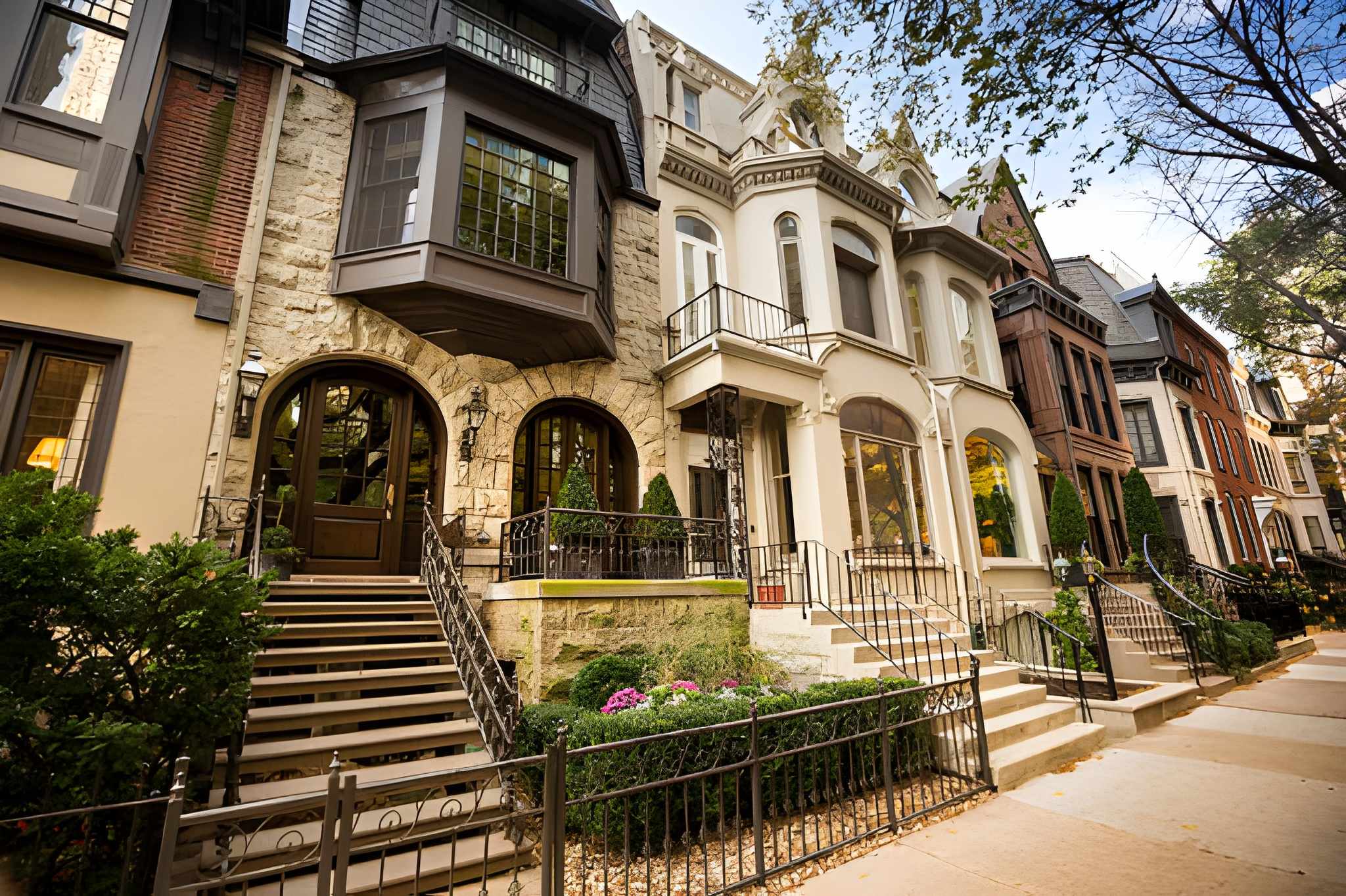
What Separates a Good Multifamily Property From a Great One in Chicago
When purchasing a tenant-occupied multifamily property, you’re not just buying the building, you’re also stepping into existing lease agreements and responsibilities. Taking the time to review the property’s records can help you avoid unexpected surprises after closing.
Before submitting an offer or during your due diligence period, request and review:
Current leases for each unit.
A complete rent roll.
Security deposit records.
Payment history, when available.
Utility responsibilities for each unit.
Any notices or agreements currently in place with tenants.
It’s also important to understand whether tenants are on fixed-term leases or month-to-month agreements. That information can affect your renovation plans, occupancy timeline, and financing.
If you’re planning to owner-occupy one of the units, make sure you understand when that unit will be available and what your rights and obligations are under Illinois law.
For buyers looking throughout Chicago’s South Side and West Side, this step is especially important because every property is different. One building may have long-term tenants paying market rent, while another may have below-market leases, deferred maintenance, or documentation that needs to be organized before closing.
Taking the time to review these details helps you make a more informed decision and reduces the risk of unexpected issues after you take ownership.
Don’t Overlook Financing
Finding the right property is only part of the process. Choosing financing that aligns with your goals can make just as much of a difference.
Many buyers purchasing 2–4 unit multifamily properties use financing options such as:
FHA loans for owner-occupied purchases.
Conventional financing.
VA loans (for eligible buyers).
Renovation financing, when appropriate.
The right loan depends on your financial situation, occupancy plans, and the property’s condition.
For example, a property needing significant repairs may require a different financing strategy than a move-in-ready building.
Understanding your financing options before shopping allows you to focus on properties that fit both your investment goals and your budget.
Understand the Opportunity to Build Equity
Not every great investment is fully renovated.
Across Chicago’s South Side and West Side, many multifamily properties offer opportunities to increase value through strategic improvements.
That may include:
Updating kitchens and bathrooms.
Refinishing hardwood floors.
Modernizing electrical or plumbing systems.
Improving curb appeal.
Reconfiguring unfinished space where legally permitted.
Increasing rental income through responsible property improvements.
The key is making sure the purchase price, renovation costs, and expected value after improvements all work together.
Buying a property simply because it’s inexpensive doesn’t automatically make it a good investment.
Likewise, paying more for a property that requires little maintenance isn’t necessarily the wrong decision either.
Every buyer’s goals are different, which is why evaluating the entire picture—not just the asking price—is so important.
A Quick Due Diligence Checklist
Before purchasing a multifamily property, consider working through this checklist:
Verify the legal number of units with the City of Chicago.
Review current leases and rental income.
Confirm security deposit records.
Review property tax history.
Determine whether utilities are separately metered.
Estimate repair and renovation costs before making an offer.
Schedule a professional home inspection.
Check for open building code violations.
Confirm zoning supports the current use of the property.
Evaluate the age and condition of the roof, plumbing, electrical, HVAC, foundation, and windows.
Review neighborhood sales and rental comparables.
Understand your financing options before submitting an offer.
Calculate your expected monthly payment, including taxes, insurance, maintenance, and reserves.
Determine whether the property supports your long-term investment goals.
Taking these steps can help you make a more informed decision and avoid costly surprises after closing.
Frequently Asked Questions
What should I look for when buying a multifamily property in Chicago?
Look beyond cosmetic updates. Review the property’s condition, rental income, leases, utility setup, legal unit count, financing options, neighborhood trends, and estimated repair costs before making an offer.
Is it better to buy a renovated property or one that needs work?
That depends on your goals, experience, financing, and budget. A move-in-ready property may require less immediate investment, while a value-add property can provide an opportunity to build equity if the renovation costs and purchase price make financial sense.
Can rental income help me qualify for a mortgage?
In many cases, yes. Certain loan programs may allow eligible buyers to use projected rental income from additional units when qualifying. Your lender can explain how this applies to your specific loan program and financial situation.
How do I know if a basement or garden apartment is legal?
Never rely solely on the listing description. Verify the legal unit count and zoning with the City of Chicago and discuss any questions with your real estate professional and attorney before closing.
What neighborhoods should I consider for multifamily investing?
Every buyer’s goals are different, but many buyers explore opportunities throughout Chicago’s South Side and West Side.
Neighborhoods such as Woodlawn, Bronzeville, Washington Park, Austin, North Lawndale, and East Garfield Park continue to attract buyers interested in owner-occupied multifamily properties, long-term rental investments, and value-add opportunities. The right neighborhood ultimately depends on your investment goals, budget, and long-term strategy.
Key Takeaways
Start with your long-term goals before evaluating any property.
Focus on the property’s overall financial picture—not just the asking price.
Review actual rental income, leases, and operating expenses.
Budget for repairs, maintenance, reserves, and closing costs.
Understand your financing options before making an offer.
Verify the legal number of units and review any open building violations.
Evaluate each neighborhood individually rather than relying on general assumptions.
Many properties throughout Chicago’s South Side and West Side offer opportunities to build equity through thoughtful renovations and responsible property management.
Work with professionals who understand Chicago’s multifamily market and can help you identify both opportunities and potential risks.
Final Thoughts
The best multifamily property isn’t always the newest building or the one with the highest advertised rental income. It’s the property that aligns with your financial goals, fits your budget, has solid long-term potential, and allows you to make an informed investment decision.
Whether you’re buying your first two-flat, house hacking a three-unit, expanding your rental portfolio, or searching for your next value-add opportunity, understanding how to evaluate the complete picture is essential.
Buying a multifamily property is one of the biggest financial decisions you’ll make. Taking the time to understand the building, the neighborhood, the numbers, and your financing options can help you build wealth while avoiding costly mistakes.
Thinking about buying a multifamily property in Chicago?
Whether you’re purchasing your first 2-unit, 3-unit, or 4-unit property, expanding your investment portfolio, or looking for your next value-add opportunity, having the right guidance can make all the difference.
As a Chicago REALTOR®, investor, developer. I help buyers evaluate multifamily properties beyond the listing photos. Together, we’ll review the property’s condition, renovation potential, rental income, neighborhood trends, financing considerations, and long-term investment strategy so you can make a confident decision.
I proudly help buyers and sellers throughout Chicago’s South Side and West Side, including neighborhoods such as Woodlawn, Bronzeville, Washington Park, Austin, North Lawndale, and East Garfield Park, with a focus on helping clients build long-term wealth through 2–4 unit multifamily real estate.
Ready to take the next step? Schedule a consultation today, and let’s create a strategy to help you find the right multifamily property for your goals.



Facebook
Instagram
LinkedIn
Youtube
TikTok